
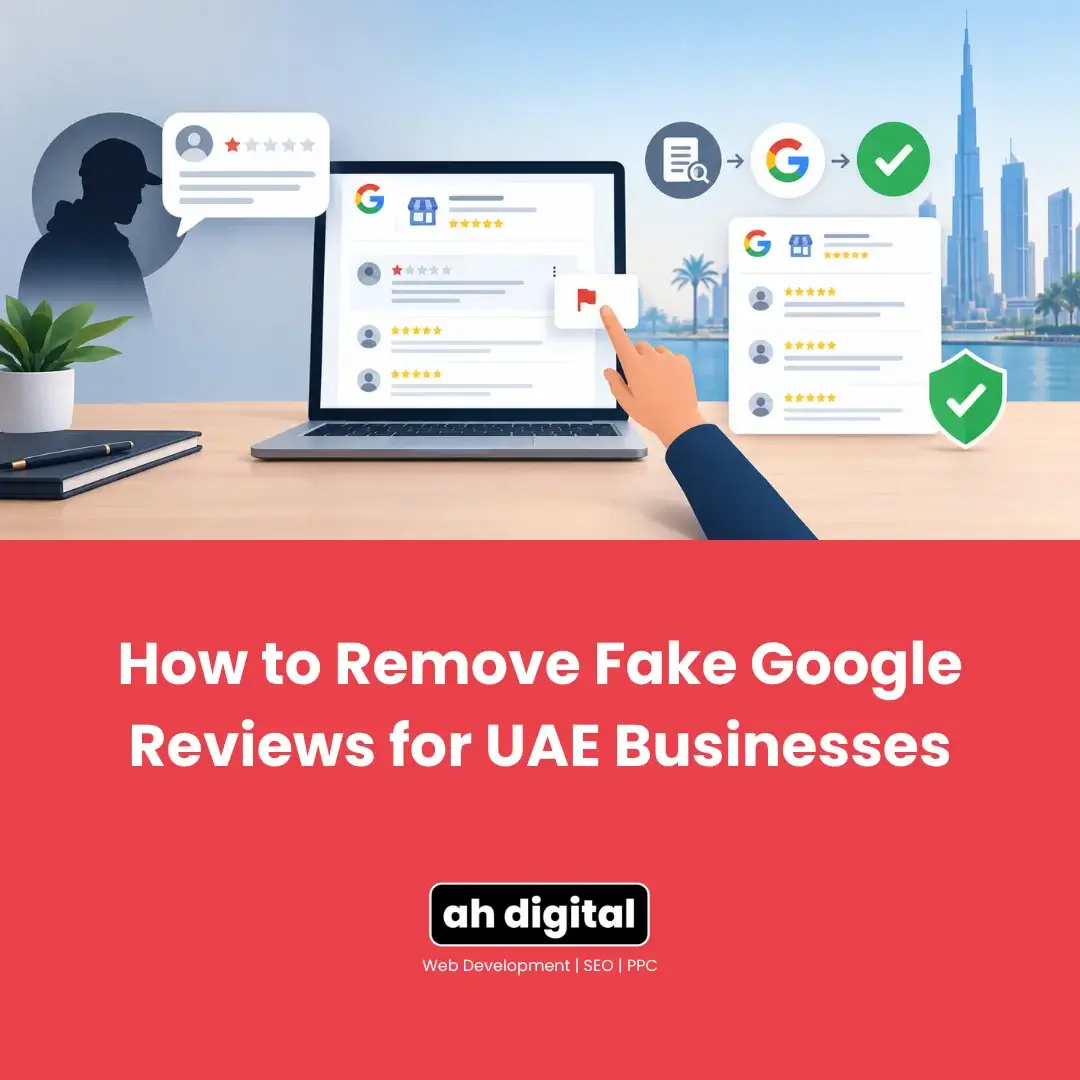
A one-star review appears. “Terrible service, avoid this place.”
You check your records. No booking under that name. No order. No record of any contact with this person, ever.
Someone made it up. Maybe a competitor, maybe someone who confused you with another business, maybe simple malice. Whatever the reason, it is sitting on your profile next to your real reviews, doing real damage to a real business.
Here is the process that actually exists for this, what genuinely qualifies for removal, and what does not.
The First Distinction That Matters
Unfair Is Not the Same as Fake
This has to be said plainly before anything else, because it changes what is even worth attempting.
Google states directly that it does not get involved in disputes between a business and a customer. A customer who had a genuinely bad experience, even one you think is exaggerated or unfair, is entitled to say so. That review is not eligible for removal simply because you disagree with it.
What is eligible is content that violates Google’s published policies. Fabricated, from someone with no real interaction with your business, or crossing into harassment, impersonation, or several other specific categories.
Why This Distinction Gets Skipped
Business owners understandably want every damaging review gone, and it is tempting to report anything painful and hope. This wastes the report. A flood of reports on reviews that do not violate policy trains the system to treat your future reports, including legitimate ones, with less weight.
Know which category your review actually falls into before you report it.
What Actually Counts as a Violation
Direct answer: Google publishes a specific list, and most fake or malicious reviews fall into one of a handful of categories.
Fake and Misleading Content
Content not based on a real experience, including reviews from people with no genuine interaction with the business, and coordinated rating manipulation. This is the category for a review with no matching booking, order or contact record.
Impersonation
Someone posing as a customer, a former employee, or another party to mislead readers. If you can identify the reviewer as a competitor’s account or a fabricated identity, this is the more accurate category, not simple spam.
Misrepresentation
False or misleading claims about what your business actually does, sells, or charges. Distinct from an honest complaint, this is a factual claim that is demonstrably untrue.
Harassment and Off-Topic Content
Threats, personal attacks, or content unrelated to any real experience at your specific location also qualify. A review complaining about an unrelated issue, or aimed at a person rather than the business, falls here.
How to Actually Report It
The Reporting Steps
From your Business Profile, open the reviews section, find the review, and use the report option next to it. Select the category, and submit.
The step people rush past is the category selection. Picking whatever sounds closest, usually “Spam,” when the review is actually impersonation or misrepresentation, gives the automated first pass less to work with. Match the category to the actual violation as precisely as you can.
Build a Short Case, Even for a Simple Report
Note the date the review appeared, whether any matching customer record exists, and anything that supports the specific policy category you selected. You are not required to prove your case fully, but a specific, factual report is easier to evaluate than “this is fake.”
What Happens After You Report
Google’s own guidance is direct about the timeline: review evaluation typically takes several days. Not same day, and not instant.
You can track the status in the Reviews Management Tool, which shows one of three outcomes: decision pending, reviewed with no policy violation found, or escalated. If your report is rejected, that does not necessarily mean it failed correctly, sometimes it means the category chosen did not match what was actually described.
Third-Party “Guaranteed Removal” Services
Be Skeptical of Promised Success Rates
Search for this topic and you will find services quoting specific removal percentages, sometimes very high ones. Treat these figures with real caution. Removal depends entirely on Google’s own policy assessment of a specific review, and nobody outside Google controls that outcome or can honestly guarantee it in advance.
What a competent service can actually offer is knowing the categories well, writing a precise report, and escalating properly when the first attempt is rejected. That is a real, useful skill. A guaranteed number attached to it is marketing, not a fact about how Google’s system works.
What to Do While You Wait
Respond Publicly, Regardless of the Outcome
Whether or not the review is eventually removed, a calm, factual public response matters. Note that you have no record of this customer or transaction, without arguing or getting personal. Anyone reading your profile sees the response alongside the review, and a measured reply does real work even on a review that never gets taken down.
Do Not Retaliate
Leaving a negative review on the person’s own profile, if they have a business, or escalating publicly, tends to make your business look worse than the fake review did. Report through the proper channel and respond professionally. That is the entire playbook.
If It Is Genuinely Damaging and Not Resolving
For a review causing real, demonstrable harm that Google’s standard process has not resolved, our Google Business Profile management service handles escalation and can pursue this properly on your behalf, including cases tied to a wider pattern of suspicious activity.
Two UAE Scenarios Worth Knowing
A Competitor Reviewing Under a Fake Name
This is common enough in competitive Dubai sectors (restaurants, salons, clinics) that it deserves its own note. If the review reads suspiciously specific about pricing or internal process in a way a real customer would rarely phrase, and the reviewer account has no other history, impersonation or fake and misleading content usually fits better than a generic spam report.
Screenshotting the reviewer’s profile before it can be edited or deleted is worth doing immediately, since a suspicious account sometimes disappears once a report is filed.
A Genuinely Angry Former Employee
An ex-employee posting a one-star review with no reference to being a customer is a conflict-of-interest style violation, not a customer dispute. This one is often the easiest to prove, since there is frequently no plausible customer interaction to point to at all, and the content itself may reference internal matters no genuine customer would know.
Checklist Before You Report
Confirm there is genuinely no matching record. A forgotten customer is not a fake review, however unfamiliar the name feels at first glance.
Identify the single most accurate policy category rather than defaulting to spam.
Screenshot the review and, where possible, the reviewer’s profile before reporting, since content can be edited or removed once flagged.
Write a short, factual note in the report, not an emotional one. Google’s reviewers are working through volume and respond better to specifics than to frustration.
The Bottom Line
Not every bad review is fake, and not every fake review gets removed just by asking. The process exists, it has specific categories, and it moves in days rather than hours.
Identify which actual policy category applies. Report it accurately rather than generically. Respond publicly and calmly regardless of the outcome. That is what genuinely improves your odds, not urgency or repeated reporting.
WhatsApp Hameed for a quick question, or call +971 56 544 6241 for a free consultation. There is also a contact form if you would rather write it out.
A fabricated review is a policy violation. A bad one is just business. Knowing which one you are dealing with decides everything that follows.